
Introduction
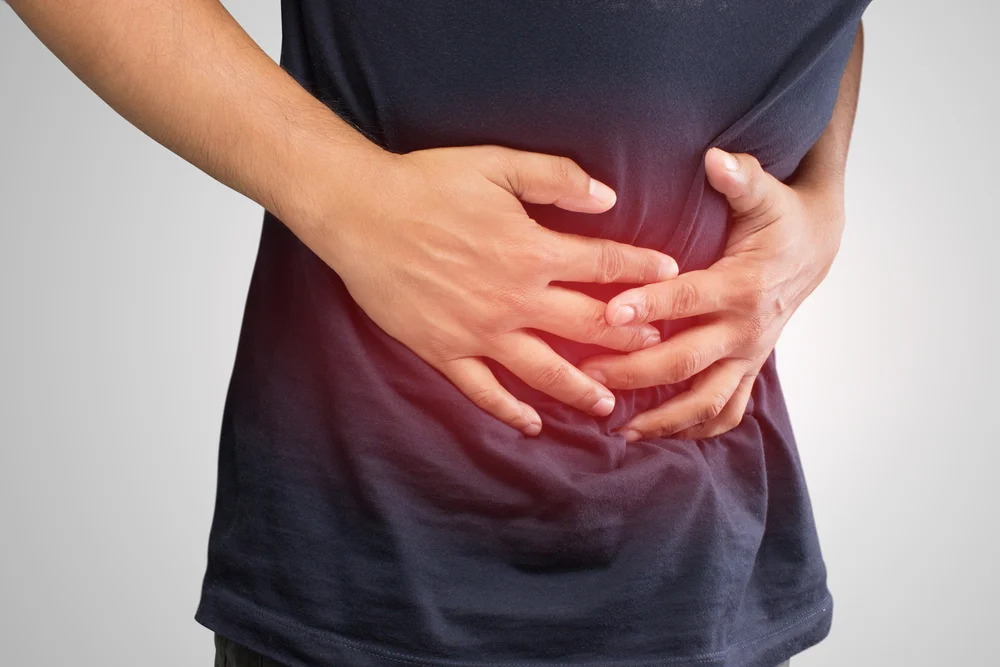
For many Brooklyn residents, daily commuting is already stressful enough. Whether riding crowded subway trains, sitting in traffic, or rushing between work and home, persistent digestive discomfort can make every trip feel even worse. Chronic bloating, abdominal pressure, excessive gas, and stomach discomfort often become frustrating parts of everyday life.
Many people assume occasional bloating is normal after large meals or busy days. However, when bloating becomes frequent or severe, it may point to an underlying digestive condition known as Small Intestinal Bacterial Overgrowth, commonly called SIBO.
SIBO occurs when excessive bacteria grow inside the small intestine, disrupting digestion and nutrient absorption. This imbalance can trigger uncomfortable symptoms that affect work, commuting, eating habits, sleep, and overall quality of life.
At Local MD, patients experiencing ongoing digestive concerns can receive professional evaluation and personalized care. Understanding the signs of SIBO and knowing when to seek screening may help Brooklyn residents regain comfort and confidence in their daily routines.
What Is Small Intestinal Bacterial Overgrowth (SIBO)?
Small Intestinal Bacterial Overgrowth is a digestive disorder involving an abnormal increase of bacteria inside the small intestine. While bacteria naturally exist throughout the digestive system, the small intestine typically contains lower bacterial levels compared to the large intestine.
When excess bacteria accumulate in the small intestine, they begin fermenting food too early during digestion. This process creates gas, bloating, discomfort, and changes in bowel habits.
SIBO may interfere with proper nutrient absorption and can contribute to long-term digestive problems if left untreated.
Why Chronic Bloating Should Not Be Ignored
Occasional bloating after overeating is common. Chronic bloating, however, may indicate a deeper digestive issue.
Many Brooklyn residents experience symptoms during their commute or workday because sitting for long periods, eating quickly, stress, and irregular meal schedules can worsen digestive discomfort.
Persistent bloating may lead to:
- Abdominal pain
- Excessive gas
- Fatigue
- Nausea
- Diarrhea
- Constipation
- Nutritional deficiencies
- Reduced appetite
Ignoring symptoms may allow digestive inflammation and bacterial imbalance to continue worsening over time.
Common Symptoms of SIBO
SIBO symptoms can vary from person to person. Some patients experience mild discomfort, while others struggle with severe digestive distress.
Abdominal Bloating
Bloating is one of the most common SIBO symptoms. Many patients notice stomach swelling shortly after meals, even when eating small portions.
The abdomen may feel tight, heavy, or visibly enlarged.
Excessive Gas
Excess gas develops because bacteria ferment carbohydrates before proper digestion occurs. This process produces hydrogen or methane gases inside the intestine.
Gas symptoms may become especially uncomfortable during long commutes or work meetings.
Changes in Bowel Habits
SIBO may cause:
- Diarrhea
- Constipation
- Alternating bowel habits
- Loose stools
Different bacterial types may influence symptom patterns.
Abdominal Pain or Cramping
Many patients experience stomach pain or cramping after eating. Symptoms may worsen after consuming carbohydrates or sugary foods.
Fatigue and Weakness
Poor nutrient absorption may contribute to low energy levels, fatigue, and weakness over time.
Food Intolerances
Patients with SIBO often develop sensitivity to certain foods, especially dairy products, carbohydrates, or high-fiber meals.
What Causes SIBO?
Several underlying factors may increase the risk of bacterial overgrowth in the small intestine.
Slow Digestive Movement
The digestive system normally moves food and bacteria through the intestines efficiently. When movement slows, bacteria may begin accumulating in the small intestine.
Conditions affecting intestinal movement may increase SIBO risk.
Previous Gastrointestinal Infections
Some individuals develop SIBO after food poisoning or stomach infections that disrupt normal gut bacteria balance.
Irritable Bowel Syndrome (IBS)
Many patients diagnosed with IBS may actually have underlying SIBO contributing to their symptoms.
Digestive bloating, cramping, and bowel habit changes often overlap between the two conditions.
Diabetes
Diabetes may affect nerve function and intestinal movement, increasing the risk of bacterial overgrowth.
Long-Term Medication Use
Certain medications, including acid-reducing drugs, may alter digestive balance and create conditions favorable for bacterial growth.
Why Brooklyn Residents May Notice Symptoms During the Commute
Busy urban lifestyles can make digestive symptoms feel more intense. Long subway rides, traffic delays, crowded public transportation, and irregular eating schedules often worsen bloating and stomach discomfort.
Several commuting habits may aggravate SIBO symptoms:
- Eating meals too quickly
- Skipping meals during busy workdays
- High stress levels
- Consuming processed convenience foods
- Limited physical activity during long commutes
Stress itself can influence digestive function and increase gastrointestinal sensitivity.
Important Ways to Screen for SIBO
Early screening may help identify the cause of chronic digestive discomfort before symptoms worsen.
Recognize Persistent Symptoms
Frequent bloating after meals should not be dismissed as “normal.” If symptoms continue for weeks or interfere with daily life, medical evaluation may be necessary.
Keeping track of symptom patterns can help healthcare providers identify possible digestive disorders.
Monitor Food Triggers
Patients with SIBO often notice worsening symptoms after consuming:
- Sugary foods
- Bread and pasta
- Dairy products
- High-carbohydrate meals
- Carbonated beverages
A food diary may reveal patterns connected to bloating and discomfort.
Seek Professional Medical Evaluation
Healthcare providers can review medical history, digestive symptoms, and lifestyle factors contributing to bloating.
At Local MD, patients can receive personalized digestive health evaluations designed to identify underlying gastrointestinal concerns.
Breath Testing for SIBO
Breath testing is one of the most common methods used to screen for SIBO.
During testing, patients consume a special solution containing sugars such as lactulose or glucose. Breath samples are then collected over time to measure hydrogen and methane gas levels produced by bacteria.
Abnormal gas production may suggest bacterial overgrowth in the small intestine.
Rule Out Other Digestive Conditions
Several digestive disorders share symptoms similar to SIBO, including:
- Irritable bowel syndrome
- Food intolerances
- Celiac disease
- Inflammatory bowel disease
- Acid reflux
Healthcare providers may recommend additional testing to identify or rule out other conditions.
Evaluate Nutritional Deficiencies
Long-term SIBO may interfere with nutrient absorption.
Patients sometimes develop deficiencies involving:
- Vitamin B12
- Iron
- Calcium
- Fat-soluble vitamins
Blood testing may help identify nutritional concerns linked to digestive dysfunction.
Track Symptom Improvement With Treatment
Successful SIBO management often improves bloating, gas, bowel habits, and energy levels.
Monitoring symptom changes during treatment helps providers evaluate recovery progress.
How SIBO Is Treated
Treatment plans depend on the severity of symptoms and underlying digestive factors.
Antibiotic Therapy
Healthcare providers may prescribe antibiotics designed to reduce excess bacteria inside the small intestine.
Treatment aims to restore bacterial balance and improve digestion.
Dietary Changes
Many patients benefit from temporary dietary adjustments that reduce fermentable carbohydrates contributing to gas production.
Providers may recommend avoiding certain foods while symptoms improve.
Managing Underlying Conditions
Treating conditions such as diabetes, IBS, or digestive motility disorders may reduce the risk of recurring SIBO.
Supporting Digestive Health
Lifestyle improvements may support long-term digestive wellness, including:
- Eating slowly
- Managing stress
- Staying hydrated
- Exercising regularly
- Maintaining balanced meal schedules
How Chronic Stress Affects Digestive Health
Brooklyn residents often manage demanding schedules, crowded transportation systems, and high-pressure work environments. Chronic stress can strongly influence digestive function.
Stress may contribute to:
- Increased stomach sensitivity
- Slower digestion
- Changes in gut bacteria
- Muscle tension in the digestive tract
For some individuals, digestive symptoms worsen during stressful workdays or lengthy commutes.
Managing stress through exercise, mindfulness, sleep, and healthier routines may help improve digestive comfort.
When to See a Healthcare Provider
Chronic bloating should not be ignored when symptoms become frequent, severe, or disruptive.
Patients should seek medical attention if they experience:
- Persistent abdominal swelling
- Unexplained weight loss
- Severe abdominal pain
- Ongoing diarrhea or constipation
- Fatigue
- Nutritional deficiencies
- Difficulty eating comfortably
Early screening may help identify underlying digestive disorders before complications develop.
How Local MD Supports Digestive Health in Brooklyn
At Local MD, patients experiencing chronic bloating and digestive discomfort can receive comprehensive medical evaluation and personalized care.
The healthcare team focuses on identifying the root causes of digestive symptoms while helping patients develop practical treatment strategies tailored to their individual health needs.
By addressing digestive concerns early, patients may improve comfort, nutrition, energy levels, and overall quality of life.
Tips to Reduce Bloating During Daily Commutes
Simple daily habits may help reduce digestive discomfort during busy Brooklyn commutes.
Eat Smaller Meals
Large meals may increase bloating and pressure during travel.
Avoid Carbonated Drinks
Carbonation can contribute to excess gas and abdominal discomfort.
Stay Hydrated
Proper hydration supports digestion and bowel regularity.
Walk When Possible
Light physical activity may support healthy digestion and reduce gas buildup.
Avoid Eating Too Quickly
Eating fast may increase swallowed air and worsen bloating symptoms.
Frequently Asked Questions
What is SIBO?
SIBO stands for Small Intestinal Bacterial Overgrowth, a condition involving excessive bacteria inside the small intestine.
What are the most common symptoms of SIBO?
Common symptoms include bloating, gas, abdominal pain, diarrhea, constipation, and food intolerance.
How is SIBO diagnosed?
SIBO is commonly diagnosed using breath testing that measures hydrogen and methane gas levels.
Can stress worsen SIBO symptoms?
Yes. Stress may affect digestion and increase bloating, stomach discomfort, and bowel changes.
Is SIBO treatable?
Yes. Treatment often includes antibiotics, dietary adjustments, and management of underlying digestive conditions.
When should I see a doctor for bloating?
You should seek medical attention if bloating becomes persistent, painful, or interferes with daily life.
Conclusion
Chronic bloating during daily commutes is more than just an inconvenience. Persistent digestive discomfort may signal Small Intestinal Bacterial Overgrowth or other gastrointestinal conditions requiring medical attention.
SIBO can affect digestion, nutrition, energy levels, and overall well-being. Fortunately, early screening and personalized treatment may help patients regain comfort and improve digestive health.
At Local MD, Brooklyn residents can receive compassionate evaluation and support for ongoing digestive concerns. Recognizing symptoms early and seeking professional care may help prevent long-term complications while improving quality of life.