Immigration health screenings are a major part of the immigration process in the United States. These screenings help ensure that applicants meet the medical requirements needed for entry or adjustment of status. One of the most important parts of this process is TB testing. For immigrants living in Brooklyn, NY, understanding the importance of tuberculosis screening can make the immigration journey smoother and less stressful.
TB testing is not simply another medical formality. It’s a critical public health measure designed to protect individuals, families, and communities. Tuberculosis is a contagious disease that can spread through the air when an infected person coughs or sneezes. Because of this, immigration authorities require proper screening before approving many immigration-related applications.
Brooklyn is home to a diverse immigrant population, making immigration health screenings especially important in the area. Healthcare providers such as Local MD play a key role in helping immigrants complete their medical exams accurately and efficiently. By offering reliable TB testing and professional support, medical clinics help applicants move forward with confidence.
In this article, we’ll explore why TB testing is a critical step in immigration health screenings in Brooklyn, NY, how the process works, and what immigrants should expect during their medical evaluations.
Understanding TB Testing in Immigration Health Screenings
TB testing is one of the main components of immigration medical examinations required by U.S. immigration authorities. The goal is to identify active or latent tuberculosis infections before they become a public health concern.
What Is Tuberculosis?
Tuberculosis, often called TB, is a bacterial infection caused by Mycobacterium tuberculosis. The disease mainly affects the lungs, although it can also impact other parts of the body. TB spreads through airborne particles, making it highly contagious in crowded environments.
Some common symptoms of active tuberculosis include:
- Persistent cough lasting more than three weeks
- Chest pain
- Fever
- Night sweats
- Fatigue
- Weight loss
- Coughing up blood
However, many people with latent TB infection may not show symptoms at all. This is why TB testing is such an important part of immigration health screenings.
Why Immigration Authorities Require TB Testing
The United States government requires TB testing because tuberculosis remains a global health issue. Immigration officials want to prevent the spread of contagious diseases within communities. Identifying infected individuals early helps reduce transmission risks and allows patients to receive timely treatment.
TB testing is also important because untreated tuberculosis can become severe over time. In some cases, it can lead to life-threatening complications. By including TB screening in immigration health screenings, authorities can protect both immigrants and the general public.
Moreover, completing TB testing correctly helps avoid delays in immigration applications. Missing or incomplete medical documentation may result in additional requests or postponed approvals.
Importance of Immigration Health Screenings in Brooklyn, NY
Brooklyn is one of the most culturally diverse boroughs in New York City. Thousands of immigrants move to the area every year for education, work, and family reunification. Because of this growing population, immigration health screenings are especially significant in Brooklyn.
Growing Immigrant Population in Brooklyn
Brooklyn attracts people from all over the world. This diversity creates vibrant communities and contributes to the borough’s economic and cultural growth. However, it also increases the importance of public health monitoring.
Healthcare providers in Brooklyn frequently work with patients from different cultural backgrounds. Immigration medical exams help ensure that everyone entering the community receives proper health evaluations, including TB testing.
In densely populated neighborhoods, infectious diseases can spread quickly if left untreated. Therefore, thorough immigration health screenings help reduce health risks for everyone.
Public Health Protection Measures
Public health systems rely on preventive care strategies. TB testing serves as a preventive measure because it identifies infections before they become widespread.
When individuals test positive for tuberculosis, healthcare providers can begin treatment immediately. This protects schools, workplaces, public transportation systems, and neighborhoods from potential outbreaks.
Brooklyn’s healthcare providers also educate patients about tuberculosis prevention, treatment, and follow-up care. This educational support helps patients understand their condition and take the right steps toward recovery.
Types of TB Tests Used During Immigration Exams
Several testing methods may be used during immigration health screenings depending on age, medical history, and risk factors.
TB Skin Test
The TB skin test, also known as the Mantoux tuberculin skin test, involves injecting a small amount of testing fluid under the skin of the forearm.
After two to three days, the patient returns to the clinic so the healthcare provider can evaluate the reaction. Swelling or redness may indicate exposure to tuberculosis bacteria.
Although the TB skin test has been widely used for years, it may not always provide completely accurate results. Some people who received the BCG vaccine in other countries may show false-positive reactions.
IGRA Blood Test
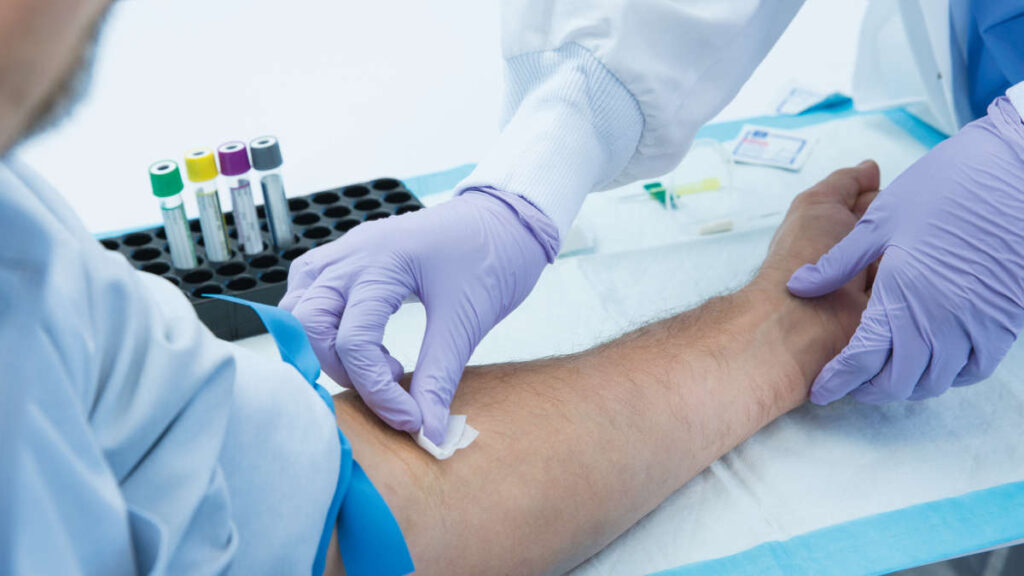
The Interferon-Gamma Release Assay, or IGRA blood test, is another common option for TB testing during immigration health screenings.
Many clinics prefer IGRA testing because it offers greater accuracy and requires only one visit. The blood sample is analyzed in a laboratory to determine whether the immune system reacts to TB bacteria.
Benefits of the IGRA blood test include:
- Higher accuracy
- Fewer false positives
- Faster processing
- Convenience for patients
Healthcare providers often recommend this test for adults completing immigration medical exams in Brooklyn, NY.
Chest X-Rays
If a TB test result is positive, the next step usually involves a chest X-ray. Chest imaging helps doctors determine whether the patient has active tuberculosis disease.
A chest X-ray allows medical professionals to look for signs of lung infection or damage caused by TB bacteria. If abnormalities appear, additional testing may be necessary.
Fortunately, many people who test positive for latent TB do not have active disease and can safely complete treatment before complications arise.
The Immigration Medical Exam Process
Understanding the immigration medical exam process can help immigrants feel more prepared and less anxious.
Scheduling the Exam
Applicants must schedule their immigration medical exam with an authorized healthcare provider. Choosing an experienced clinic in Brooklyn ensures that the process is completed according to government guidelines.
Before the appointment, patients should gather all required records and documents.
Required Documentation
Patients may need to bring:
- Government-issued identification
- Vaccination records
- Immigration paperwork
- Medical history information
- Previous TB test results if available
Having complete documentation helps streamline the appointment and reduces delays.
What Happens During the Screening
The immigration medical exam typically includes:
- Medical history review
- Physical examination
- Vaccination assessment
- TB testing
- Additional laboratory tests if needed
Healthcare providers carefully document all findings before completing the official immigration medical forms.
The process may sound overwhelming, but experienced clinics guide patients step by step. Many immigrants feel relieved once they understand what to expect.
Benefits of Early TB Detection
Early tuberculosis detection offers major health and community benefits.
Preventing Disease Spread
One of the primary goals of TB testing is preventing transmission. Tuberculosis can spread rapidly in crowded urban areas if infected individuals remain untreated.
Detecting infections early allows healthcare providers to isolate active cases when necessary and begin treatment immediately.
This proactive approach helps protect:
- Families
- Coworkers
- Students
- Public transportation users
- Healthcare workers
Public health safety improves significantly when infections are identified before symptoms worsen.
Faster Medical Intervention
Early diagnosis also improves patient outcomes. People diagnosed during routine immigration health screenings can begin treatment before severe complications develop.
Treatment plans may include antibiotics taken over several months. Following medical instructions carefully is essential for successful recovery.
Patients who complete treatment early are less likely to experience serious lung damage or long-term health issues.
Challenges Immigrants Face During TB Screening
Although immigration health screenings are important, many immigrants face emotional and practical challenges during the process.
Fear and Anxiety
Medical exams often create anxiety, especially for individuals unfamiliar with the U.S. healthcare system. Some patients worry about receiving positive TB results or facing immigration delays.
Others may fear stigma associated with infectious diseases. However, healthcare providers understand these concerns and aim to create supportive environments for patients.
Education and reassurance can greatly reduce fear during the screening process.
Language and Cultural Barriers
Language differences sometimes make communication difficult during medical appointments. Patients may struggle to understand instructions, testing procedures, or treatment recommendations.
Cultural beliefs may also influence how individuals view healthcare and tuberculosis.
Clinics experienced in immigration health screenings often provide multilingual assistance and culturally sensitive care. This helps patients feel more comfortable and informed throughout the process.
How Local MD Supports Immigration Health Screenings
Professional healthcare support makes a huge difference during immigration medical exams.
Patient-Centered Care
Local MD provides compassionate healthcare services designed to support immigrants throughout their medical evaluations. Patient-centered care focuses on comfort, respect, and clear communication.
Healthcare providers understand that immigration exams can feel stressful. Therefore, they work closely with patients to answer questions and explain every step of the process.
This supportive approach helps patients feel more confident and prepared.
Accurate Testing and Follow-Up
Accurate TB testing is essential for successful immigration health screenings. Reliable testing methods reduce errors and help ensure compliance with immigration requirements.
If additional testing or treatment is necessary, healthcare providers guide patients through follow-up care and treatment plans.
Timely communication and organized medical documentation help reduce delays in immigration applications.
For official immigration medical examination requirements, applicants can review guidance from the U.S. Citizenship and Immigration Services website.
Frequently Asked Questions
Why is TB testing required for immigration health screenings?
TB testing is required because tuberculosis is a contagious disease that can spread through communities. Immigration authorities use testing to protect public health and ensure early treatment when needed.
What happens if my TB test is positive?
A positive TB test usually leads to additional evaluation, including a chest X-ray. Doctors determine whether the infection is active or latent before recommending treatment.
How long does TB testing take?
The timeline depends on the type of test used. Blood tests may provide results within a few days, while skin tests require a follow-up visit within 48 to 72 hours.
Can latent TB affect my immigration application?
Latent TB generally does not prevent immigration approval if properly documented and managed. Active untreated TB may require treatment before the process continues.
Is TB treatment effective?
Yes. Modern tuberculosis treatments are highly effective when patients follow medical instructions and complete the full course of antibiotics.
Should children receive TB testing during immigration exams?
Children may also require TB testing depending on their age and immigration requirements. Healthcare providers determine the appropriate testing method for each child.
How can immigrants prepare for their medical exam?
Patients should gather identification documents, vaccination records, and previous medical information before the appointment. Arriving prepared helps simplify the process.
Conclusion
Understanding why TB testing is a critical step in immigration health screenings in Brooklyn, NY helps immigrants prepare for one of the most important parts of the immigration process. Tuberculosis screening protects both individual patients and the broader community by identifying infections early and ensuring timely treatment.
Brooklyn’s diverse population makes public health screening especially valuable. Healthcare providers play a key role in supporting immigrants through accurate testing, compassionate care, and clear guidance.
Completing immigration health screenings properly can help applicants avoid unnecessary delays while improving overall health outcomes. Whether someone is applying for a visa, green card, or adjustment of status, TB testing remains an essential requirement that contributes to safer and healthier communities.
By working with experienced medical professionals, immigrants can approach the screening process with confidence and peace of mind.