
Introduction
High cholesterol is one of the most common chronic health conditions affecting adults across the United States. Many people don’t even realize they have high cholesterol until serious complications begin to develop. That’s why ongoing chronic care is important for high cholesterol patients in Brooklyn, NY. Proper long-term management can reduce health risks, improve quality of life, and help patients stay healthier for years to come.
At Local MD, patients receive personalized support designed to manage cholesterol effectively and prevent future complications. Instead of only treating symptoms after problems appear, chronic care focuses on prevention, consistency, and lifestyle improvements. This approach allows patients to gain better control over their health while receiving continuous guidance from healthcare professionals.
Brooklyn is a busy and fast-paced community where stress, unhealthy eating habits, and limited physical activity can contribute to rising cholesterol levels. Because of these challenges, many residents benefit from structured chronic care programs that focus on education, monitoring, and preventive care.
Understanding High Cholesterol
What Causes High Cholesterol?
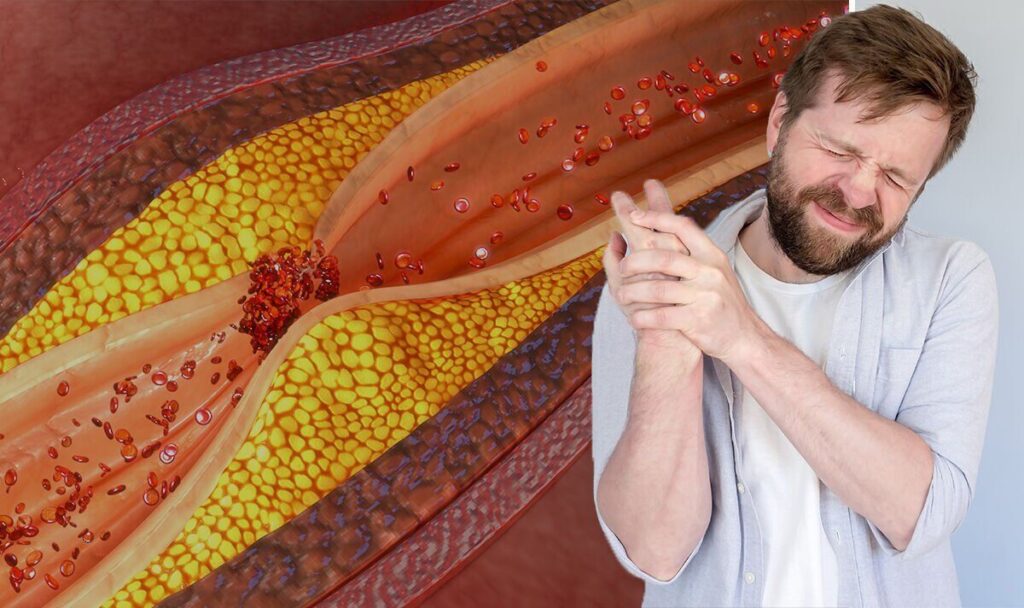
High cholesterol occurs when fatty substances called lipids build up in the blood. Cholesterol itself is necessary for the body, but too much low-density lipoprotein (LDL), often called “bad cholesterol,” can lead to plaque buildup inside arteries.
Several factors contribute to high cholesterol, including:
- Poor diet
- Lack of exercise
- Smoking
- Obesity
- Family history
- Diabetes
- Stress
- Aging
Many people in Brooklyn lead hectic lifestyles that make healthy habits difficult to maintain. Fast food, long work hours, and limited exercise can gradually increase cholesterol levels over time.
Common Symptoms and Warning Signs
One of the biggest dangers of high cholesterol is that it usually has no obvious symptoms. A person may feel perfectly healthy while cholesterol silently damages blood vessels. This hidden nature makes regular monitoring essential.
Some warning signs related to complications may include:
- Chest pain
- Shortness of breath
- Fatigue
- High blood pressure
- Stroke symptoms
However, these signs often appear after damage has already occurred.
Why Brooklyn Residents Face Increased Risks
Urban lifestyles can increase the likelihood of chronic conditions. In Brooklyn, many individuals experience stress from work, commuting, and daily responsibilities. In addition, processed foods and sedentary routines may contribute to unhealthy cholesterol levels.
Environmental and social factors also play a role. Access to healthy food choices, exercise opportunities, and preventive healthcare can significantly impact long-term wellness.
What Is Ongoing Chronic Care?
Difference Between Acute and Chronic Care
Acute care focuses on immediate medical problems such as infections or injuries. Chronic care, on the other hand, involves continuous management of long-term conditions like high cholesterol.
Ongoing chronic care is important for high cholesterol patients in Brooklyn, NY because cholesterol management requires consistency. A single appointment or medication prescription isn’t enough. Patients need regular monitoring, lifestyle guidance, and personalized treatment adjustments over time.
How Chronic Care Helps Cholesterol Patients
Chronic care programs help patients:
- Monitor cholesterol levels regularly
- Understand treatment goals
- Maintain healthy habits
- Manage medications safely
- Prevent complications
Healthcare providers work closely with patients to identify risk factors and create realistic plans for improvement.
Consistent communication between patients and doctors can also improve treatment success. Patients feel more supported and motivated when healthcare teams stay involved in their progress.
Importance of Regular Cholesterol Monitoring
Blood Tests and Lipid Panels
Routine blood testing is a key part of chronic care. Lipid panels measure:
| Cholesterol Type | Purpose |
|---|---|
| LDL Cholesterol | Measures harmful cholesterol |
| HDL Cholesterol | Measures protective cholesterol |
| Triglycerides | Measures fat levels in blood |
| Total Cholesterol | Overall cholesterol level |
Regular testing allows healthcare providers to track changes and identify risks early.
Without ongoing monitoring, cholesterol levels may rise unnoticed for years.
Tracking Long-Term Progress
Long-term care helps doctors identify patterns and determine whether treatment plans are working effectively. Sometimes medications need adjustments, or lifestyle strategies may need improvement.
Patients who receive continuous care are more likely to stay on track because they have accountability and professional support.
Frequent checkups also encourage patients to remain committed to healthy choices.
Lifestyle Changes That Support Cholesterol Management
Healthy Eating Habits
Diet plays a major role in cholesterol control. Patients are encouraged to reduce saturated fats, trans fats, and processed foods.
Heart-healthy foods include:
- Fruits
- Vegetables
- Whole grains
- Lean proteins
- Fish rich in omega-3 fatty acids
- Nuts and seeds
Many chronic care programs provide nutritional guidance to help patients make sustainable changes rather than short-term diets.
Meal planning can be especially useful for busy Brooklyn residents who often rely on convenience foods.
Physical Activity and Exercise
Exercise improves heart health and helps increase good cholesterol levels. Even moderate physical activity can make a difference.
Recommended activities include:
- Walking
- Cycling
- Swimming
- Strength training
- Yoga
Doctors often encourage at least 150 minutes of moderate exercise each week.
Patients who participate in ongoing chronic care programs are more likely to maintain consistent exercise routines because they receive regular encouragement and progress tracking.
Stress Management and Sleep
Stress and poor sleep can negatively affect cholesterol levels and overall heart health.
Helpful stress management techniques include:
- Meditation
- Deep breathing
- Regular exercise
- Counseling
- Spending time with family
Getting adequate sleep is equally important for metabolic and cardiovascular health.
Medication Management in Chronic Care
Importance of Taking Medication Correctly
Many high cholesterol patients require medications such as statins to reduce cholesterol levels. However, medications only work effectively when taken consistently.
Ongoing chronic care helps patients:
- Understand medication instructions
- Manage side effects
- Avoid missed doses
- Monitor effectiveness
Patients often stop medications because they feel better or experience mild side effects. Regular follow-ups help address concerns before they become serious problems.
Adjusting Treatment Plans Over Time
Not every treatment plan works the same for every patient. Chronic care allows healthcare providers to personalize treatment based on:
- Age
- Medical history
- Family history
- Lifestyle
- Risk factors
Doctors may adjust dosages or recommend different medications depending on patient response.
This personalized approach improves long-term outcomes and reduces health risks.
Preventing Serious Health Complications
Heart Disease Prevention
One of the main reasons ongoing chronic care is important for high cholesterol patients in Brooklyn, NY is the prevention of heart disease.
Excess cholesterol can narrow arteries and reduce blood flow to the heart. Over time, this may lead to:
- Heart attacks
- Chest pain
- Coronary artery disease
Preventive care helps reduce these risks through consistent monitoring and treatment.
Stroke Risk Reduction
High cholesterol can also increase the risk of stroke by blocking blood flow to the brain.
Chronic care programs focus on identifying stroke risk factors early and managing them effectively.
Patients who control cholesterol levels significantly reduce their chances of severe complications.
Diabetes and Blood Pressure Connection
High cholesterol often occurs alongside other chronic conditions such as:
- Diabetes
- High blood pressure
- Obesity
Managing these conditions together improves overall health outcomes. Coordinated chronic care ensures all health factors are addressed comprehensively.
Personalized Care at Local MD
Patient-Centered Approach
Local MD focuses on personalized care designed around each patient’s needs. Instead of using a one-size-fits-all approach, healthcare providers work closely with patients to develop practical and achievable health goals.
This patient-centered strategy improves trust, communication, and long-term success.
Healthcare professionals also educate patients about their conditions so they can make informed decisions about their health.
Education and Preventive Support
Education is one of the strongest tools in chronic care management.
Patients learn:
- How cholesterol affects the body
- Which foods support heart health
- Why exercise matters
- How medications work
- When to seek medical attention
Preventive support empowers patients to take control of their health before complications arise.
According to the Centers for Disease Control and Prevention, managing cholesterol through lifestyle changes and medical care can significantly reduce cardiovascular risks.
Benefits of Early Intervention
Detecting Health Changes Early
Routine care helps identify changes before they become emergencies.
Doctors can detect:
- Rising cholesterol levels
- Medication side effects
- Blood pressure changes
- Early heart disease risks
Early intervention often leads to better treatment outcomes and lower healthcare costs.
Improving Quality of Life
Patients who manage cholesterol successfully often experience:
- Better energy levels
- Improved heart health
- Reduced stress
- Greater mobility
- Increased confidence
Consistent care helps patients maintain healthier lifestyles and avoid preventable complications.
For many Brooklyn residents, ongoing support provides peace of mind and motivation to stay committed to their health goals.
The Role of Family and Community Support
Building Healthy Habits Together
Family support can make cholesterol management easier. Healthy habits are more sustainable when household members participate together.
Families can support one another by:
- Cooking healthy meals
- Exercising together
- Attending appointments
- Encouraging medication adherence
Community wellness programs and local healthcare initiatives may also provide additional support.
Encouraging Routine Checkups
Many people delay medical appointments because they feel fine. However, high cholesterol often develops silently.
Encouraging routine checkups helps detect problems early and keeps patients engaged in preventive care.
Ongoing chronic care is important for high cholesterol patients in Brooklyn, NY because consistency is essential for lasting results.
Frequently Asked Questions
What is chronic care management for high cholesterol?
Chronic care management involves ongoing medical support, monitoring, and treatment for patients with long-term cholesterol problems.
Why is high cholesterol dangerous?
High cholesterol can increase the risk of heart disease, stroke, and blocked arteries.
How often should cholesterol levels be checked?
The frequency depends on individual health conditions, but many patients benefit from annual or more frequent testing.
Can lifestyle changes reduce cholesterol naturally?
Yes. Healthy eating, exercise, weight management, and stress reduction can help improve cholesterol levels.
Do all high cholesterol patients need medication?
Not always. Some patients manage cholesterol through lifestyle changes alone, while others require medication.
Why is ongoing care better than occasional treatment?
Ongoing care allows healthcare providers to monitor progress, adjust treatment plans, and prevent complications before they become serious.
Can stress affect cholesterol levels?
Yes. Chronic stress may contribute to unhealthy lifestyle habits and negatively impact heart health.
Conclusion
High cholesterol is a serious condition that requires long-term attention and consistent management. Ongoing chronic care is important for high cholesterol patients in Brooklyn, NY because it helps reduce health risks, improve quality of life, and prevent dangerous complications such as heart disease and stroke.
Through regular monitoring, lifestyle guidance, medication management, and preventive support, patients can gain better control over their health and build healthier futures. Local MD provides personalized care that empowers patients to stay informed, motivated, and proactive in managing their cholesterol.
When patients receive consistent support and education, they are far more likely to achieve lasting health improvements. Chronic care is not just about treating illness—it’s about protecting long-term wellness and helping individuals live healthier, more active lives.