
Heavy periods can disrupt daily life, affect emotional well-being, and lead to long-term health concerns if left untreated. Many women in Brooklyn, NY experience heavy menstrual bleeding that interferes with work, school, relationships, and overall comfort. Fortunately, hormonal birth control has become one of the most effective treatment options for managing heavy periods and improving quality of life.
At Local MD, patients receive personalized women’s healthcare designed to address menstrual concerns with compassion and medical expertise. Hormonal birth control is not only used for pregnancy prevention but also plays a major role in regulating menstrual cycles and reducing excessive bleeding.
Understanding the causes of heavy periods and the benefits of hormonal birth control can help women make informed decisions about their reproductive health and long-term wellness.
Understanding Heavy Periods
Heavy menstrual bleeding, medically known as menorrhagia, occurs when periods become unusually heavy or prolonged. While every woman’s cycle is different, heavy periods generally involve excessive blood loss that affects normal activities.
Common signs of heavy periods include:
- Bleeding lasting longer than seven days
- Soaking through pads or tampons every hour
- Passing large blood clots
- Severe cramping
- Fatigue or weakness
- Needing double protection during menstruation
- Waking during the night to change sanitary products
Heavy periods should never be ignored because they may indicate underlying medical conditions that require attention.
Common Causes of Heavy Menstrual Bleeding
Several health conditions and lifestyle factors may contribute to heavy menstrual bleeding. Identifying the cause is an important step in determining the best treatment approach.
Hormonal Imbalances
Hormones regulate the menstrual cycle. When estrogen and progesterone levels become unbalanced, the uterine lining may build up excessively, leading to heavier bleeding.
Hormonal imbalances may occur due to:
- Polycystic ovary syndrome (PCOS)
- Thyroid disorders
- Perimenopause
- Obesity
- Stress
Uterine Fibroids
Fibroids are noncancerous growths that develop inside or around the uterus. They are common among women of reproductive age and often contribute to heavy or painful periods.
Endometriosis
Endometriosis occurs when tissue similar to the uterine lining grows outside the uterus. This condition can cause severe pain, irregular bleeding, and heavy menstrual flow.
Adenomyosis
Adenomyosis develops when the uterine lining grows into the muscular wall of the uterus, causing enlarged uterine tissue and heavier periods.
Certain Medications
Some medications, including blood thinners and anti-inflammatory drugs, may increase menstrual bleeding.
Bleeding Disorders
Certain medical conditions that affect blood clotting can contribute to unusually heavy periods.
How Hormonal Birth Control Helps Manage Heavy Periods
Hormonal birth control works by regulating hormone levels, controlling ovulation, and thinning the uterine lining. These effects often reduce menstrual bleeding and improve cycle regularity.
Many women experience lighter, shorter, and less painful periods after starting hormonal birth control treatment.
Types of Hormonal Birth Control for Heavy Periods
Different forms of hormonal birth control may be recommended depending on a patient’s medical history, lifestyle, and treatment goals.
Birth Control Pills
Oral contraceptives are one of the most common treatments for heavy periods. These pills contain synthetic hormones that regulate menstrual cycles and reduce excessive bleeding.
Benefits may include:
- Shorter periods
- Reduced cramping
- Improved cycle predictability
- Lower risk of anemia
Some women may also experience clearer skin and reduced hormonal acne.
Hormonal Intrauterine Devices (IUDs)
Hormonal IUDs release small amounts of progestin directly into the uterus. They are highly effective for reducing menstrual bleeding and may even stop periods completely in some women.
Hormonal IUDs are long-term options that can remain effective for several years.
Birth Control Injections
Hormonal injections are administered every few months and may help reduce menstrual bleeding over time.
Some women experience lighter periods or no periods after continued use.
Birth Control Implants
Small hormonal implants placed under the skin release hormones gradually and help regulate menstrual cycles.
Vaginal Rings and Hormonal Patches
These options deliver hormones into the body through the skin or vaginal tissues and can help control heavy menstrual bleeding.
Benefits of Hormonal Birth Control Beyond Period Management
Hormonal birth control provides several additional health benefits beyond controlling heavy periods.
Reduced Menstrual Pain
Many women experience less cramping and pelvic discomfort during their cycles.
Improved Iron Levels
Heavy periods can lead to iron-deficiency anemia, causing fatigue and weakness. Reducing menstrual blood loss helps protect iron levels.
Better Cycle Regulation
Hormonal birth control often creates more predictable menstrual cycles, reducing uncertainty and stress.
Lower Risk of Certain Conditions
Some forms of hormonal birth control may reduce the risk of:
- Endometrial cancer
- Ovarian cancer
- Ovarian cysts
- Severe acne
Improved Quality of Life
Managing heavy periods can improve physical comfort, emotional well-being, and confidence in daily activities.
What to Expect During Treatment
Before recommending hormonal birth control, healthcare providers evaluate each patient’s symptoms, medical history, and overall health.
The evaluation may include:
- Pelvic examination
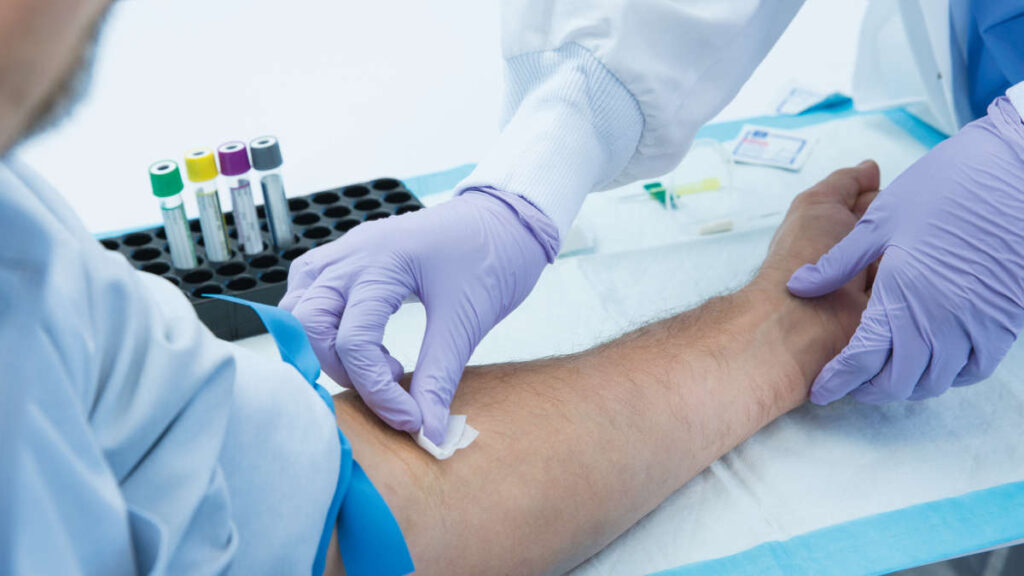
- Blood tests
- Ultrasound imaging
- Discussion of symptoms and cycle patterns
This personalized approach helps determine the safest and most effective treatment plan.
Adjusting to Hormonal Birth Control
It may take several months for the body to adjust to hormonal birth control. During this adjustment period, some women experience temporary side effects such as:
- Mild nausea
- Breast tenderness
- Spotting between periods
- Mood changes
- Headaches
Most side effects improve over time as hormone levels stabilize.
Patients should communicate openly with their healthcare provider if side effects persist or worsen.
When to Seek Medical Attention
Although heavy periods are common, certain symptoms should prompt immediate medical evaluation.
Seek medical care if you experience:
- Severe pelvic pain
- Extremely heavy bleeding
- Dizziness or fainting
- Shortness of breath
- Symptoms of anemia
- Bleeding between periods
- Sudden changes in menstrual patterns
Early diagnosis and treatment can prevent complications and improve long-term health outcomes.
Importance of Personalized Women’s Healthcare
Every woman’s body responds differently to hormonal birth control. What works well for one patient may not be the best option for another.
At Local MD, personalized care focuses on understanding each patient’s health goals, symptoms, and medical needs. Providers work closely with patients to choose treatment options that fit their lifestyle and reproductive health plans.
Personalized healthcare also helps monitor progress and make adjustments when needed.
Lifestyle Changes That Support Menstrual Health
Hormonal birth control is often most effective when combined with healthy lifestyle habits.
Maintain a Balanced Diet
Eating iron-rich foods may help prevent anemia caused by heavy bleeding.
Helpful foods include:
- Spinach
- Lean meats
- Beans
- Eggs
- Whole grains
- Leafy green vegetables
Stay Physically Active
Regular exercise can support hormone balance, improve circulation, and reduce stress.
Manage Stress Levels
Stress may worsen hormonal imbalances and menstrual symptoms. Relaxation techniques such as yoga, meditation, and deep breathing can help improve overall well-being.
Prioritize Sleep
Adequate sleep supports hormonal regulation and reproductive health.
Heavy Periods and Emotional Health
Heavy periods don’t just affect physical health. They can also impact emotional wellness, confidence, and social activities.
Women with heavy menstrual bleeding may experience:
- Anxiety
- Frustration
- Embarrassment
- Fatigue-related mood changes
- Reduced participation in daily activities
Seeking treatment can significantly improve emotional and mental well-being.
Why Brooklyn Women Choose Local MD
Women in Brooklyn need accessible and compassionate healthcare that addresses both physical and emotional concerns.
Local MD provides comprehensive women’s healthcare services focused on:
- Personalized treatment plans
- Preventive care
- Menstrual health management
- Hormonal evaluations
- Ongoing support and education
Patients receive individualized attention in a supportive and professional environment.
Long-Term Benefits of Managing Heavy Periods Early
Ignoring heavy periods may lead to ongoing complications, including chronic anemia and worsening reproductive health conditions.
Early treatment offers several long-term benefits:
- Improved energy levels
- Better reproductive health
- Reduced pain and discomfort
- Lower risk of complications
- Enhanced daily functioning
Women who receive timely care often experience better overall health and improved quality of life.
Frequently Asked Questions
Can hormonal birth control completely stop heavy periods?
Some forms of hormonal birth control, especially hormonal IUDs, may significantly reduce or completely stop periods in certain women.
Is hormonal birth control safe for long-term use?
For many women, hormonal birth control is safe for long-term use when monitored by a healthcare provider.
How long does it take for birth control to improve heavy periods?
Many women notice improvement within a few months, although results vary depending on the individual and type of birth control.
Can teenagers use hormonal birth control for heavy periods?
Yes. Hormonal birth control is commonly prescribed for teenagers experiencing heavy or painful periods.
Will hormonal birth control affect fertility later?
Most women regain normal fertility after stopping hormonal birth control treatment.
Do heavy periods always indicate a serious condition?
Not always, but heavy periods should still be evaluated by a healthcare provider to rule out underlying medical issues.
Conclusion
Managing heavy periods with hormonal birth control in Brooklyn, NY can significantly improve a woman’s health, comfort, and quality of life. Heavy menstrual bleeding should never be dismissed as something women simply have to tolerate. Effective treatment options are available, and personalized care can make a meaningful difference.
Hormonal birth control offers a reliable solution for regulating menstrual cycles, reducing excessive bleeding, and easing painful symptoms. With proper medical guidance, women can find treatment plans that support both reproductive health and overall wellness.
At Local MD, patients receive compassionate and individualized women’s healthcare designed to address heavy periods and related concerns with professionalism and understanding. Early treatment, regular monitoring, and ongoing support can help women regain confidence and enjoy healthier, more comfortable lives.