
Introduction
Midlife brings many changes to the body. For many adults, changes in energy levels, metabolism, body composition, and hormones become more noticeable with age. One of the most common concerns during this stage is unexpected weight gain, especially around the abdomen, even when eating habits and daily routines have not changed significantly.
This shift is often connected to changing hormone levels and metabolic health. For some individuals, midlife weight gain may be linked to metabolic syndrome, a group of health conditions that increase the risk of serious problems such as heart disease, diabetes, and other chronic conditions.
Understanding the relationship between hormone balance, metabolism, and lifestyle factors is an important step toward improving overall health. With the right healthcare support, individuals can take proactive steps to manage weight changes, improve energy, and protect long-term wellness.
At Local MD, patients receive personalized healthcare support focused on preventive care, chronic condition management, and improving overall health outcomes. A comprehensive approach helps address the many factors involved in midlife health changes.
Understanding Midlife Weight Gain
Weight changes during midlife are common, but they are not always caused by lifestyle choices alone. The body naturally experiences changes that can affect how calories are processed and stored.
Common reasons for midlife weight gain include:
- Hormonal changes
- Reduced muscle mass
- Slower metabolism
- Changes in activity levels
- Increased stress
- Sleep changes
- Lifestyle adjustments
Many people notice that strategies that worked in their younger years no longer produce the same results. This happens because the body’s internal systems change over time.
The Connection Between Hormones and Metabolism
Hormones act as chemical messengers that influence many body functions, including:
- Appetite
- Energy levels
- Fat storage
- Blood sugar regulation
- Muscle maintenance
- Sleep patterns
When hormone levels shift during midlife, these processes can become affected.
For many individuals, changes in hormones may contribute to:
- Increased abdominal fat
- Reduced energy
- Mood changes
- Difficulty maintaining muscle
- Changes in appetite
Understanding these changes allows healthcare providers to create more effective wellness strategies.
What Is Metabolic Syndrome?
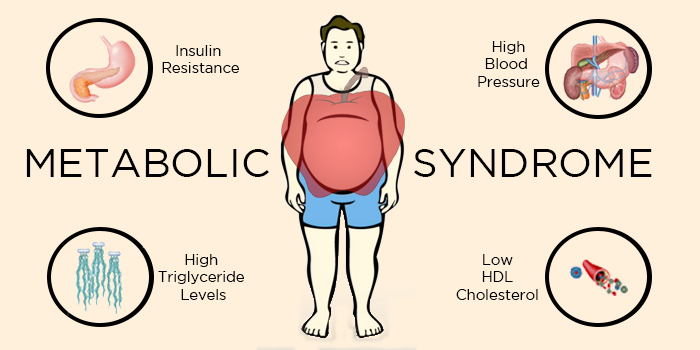
Metabolic syndrome is a combination of health factors that occur together and increase the risk of developing serious health conditions.
Metabolic syndrome commonly involves:
- Increased waist circumference
- High blood pressure
- Elevated blood sugar
- Abnormal cholesterol levels
- Increased insulin resistance
Having one of these concerns does not always mean someone has metabolic syndrome. However, when several factors occur together, healthcare monitoring becomes especially important.
Why Metabolic Syndrome Becomes More Common During Midlife
Several age-related changes may contribute to metabolic concerns.
Hormonal Shifts
Changes in hormones can influence how the body stores fat and manages energy.
Muscle Loss
Muscle naturally decreases with age unless actively maintained through strength training and proper nutrition.
Because muscle helps burn energy, reduced muscle mass may affect metabolism.
Reduced Activity
Busy schedules, work responsibilities, family commitments, or physical limitations may reduce daily movement.
Increased Stress
Long-term stress can affect hormone balance and encourage unhealthy eating patterns.
Ways to Improve Hormone Balance and Metabolic Health
Focus on Balanced Nutrition
Nutrition plays a major role in supporting hormone health and metabolism.
A balanced eating approach may include:
- Lean proteins
- Vegetables
- Fruits
- Whole grains
- Healthy fats
- Adequate fiber
Protein is especially important during midlife because it supports muscle maintenance and helps promote fullness.
Prioritize Strength Training
Many people focus only on cardio when trying to manage weight. However, strength training becomes increasingly important during midlife.
Building and maintaining muscle can support:
- Better metabolism
- Improved strength
- Increased mobility
- Better body composition
Strength exercises may include:
- Resistance training
- Bodyweight exercises
- Weight lifting
- Functional movements
Maintaining muscle helps the body use energy more efficiently.
Manage Blood Sugar Levels
Blood sugar balance plays an important role in metabolic health.
Healthy habits that support stable blood sugar include:
- Eating balanced meals
- Avoiding excessive processed foods
- Staying physically active
- Maintaining regular meal patterns
Healthcare providers can also monitor important health markers and recommend appropriate strategies.
Improve Sleep Quality
Sleep affects many areas of health, including hormones, appetite, and metabolism.
Poor sleep may contribute to:
- Increased cravings
- Lower energy
- Difficulty managing weight
- Stress changes
Creating consistent sleep habits supports overall wellness.
Helpful habits include:
- Keeping a regular sleep schedule
- Limiting screen use before bed
- Creating a relaxing nighttime routine
Reduce Chronic Stress
Stress can affect hormone levels and influence health behaviors.
Long-term stress may contribute to:
- Increased appetite
- Poor sleep
- Reduced motivation for exercise
- Higher inflammation levels
Stress management strategies may include:
- Walking
- Meditation
- Relaxation techniques
- Social activities
- Healthy hobbies
Schedule Regular Health Monitoring
Preventive healthcare is important during midlife.
Regular visits allow healthcare providers to monitor:
- Blood pressure
- Cholesterol
- Blood sugar
- Weight changes
- Other health indicators
Early awareness allows individuals to make adjustments before concerns become more serious.
Create a Personalized Healthcare Plan
Every person experiences midlife changes differently.
A personalized health plan considers:
- Medical history
- Lifestyle
- Health goals
- Current symptoms
- Risk factors
A healthcare provider can help identify the most effective approach for long-term wellness.
Signs That Hormone and Metabolic Health Need Attention
Some symptoms may indicate the need for a healthcare evaluation.
These may include:
- Unexplained weight changes
- Persistent fatigue
- Difficulty losing weight
- Increased abdominal fat
- Changes in sleep
- Blood pressure concerns
- Changes in blood sugar levels
These symptoms do not always mean a serious condition is present, but discussing them with a healthcare provider can provide clarity.
The Importance of Preventive Care in South Brooklyn
Access to consistent healthcare is important for managing midlife changes. Preventive care allows individuals to understand their health status and make informed decisions.
At Local MD, healthcare providers focus on comprehensive patient care, including wellness evaluations, chronic condition support, and personalized health guidance.
A preventive approach helps patients stay informed about their health instead of waiting until problems become more difficult to manage.
How Local MD Supports Metabolic Health
Local MD provides healthcare services designed around each patient’s individual needs.
For individuals experiencing midlife weight changes or concerns related to metabolic health, a healthcare provider can help with:
- Health assessments
- Lifestyle recommendations
- Chronic condition monitoring
- Personalized wellness planning
The goal is to support healthier habits and improve quality of life through patient-centered care.
Medical Evaluation for Metabolic Syndrome
A healthcare provider may evaluate metabolic health through:
Health History Review
Understanding family history, lifestyle, and previous health concerns.
Physical Measurements
Tracking:
- Weight
- Waist size
- Blood pressure
Laboratory Testing
Depending on individual needs, providers may evaluate:
- Blood sugar levels
- Cholesterol levels
- Other health markers
These evaluations provide a clearer picture of overall metabolic wellness.
Lifestyle Changes That Support Long-Term Results
Sustainable changes often work better than extreme approaches.
Helpful long-term habits include:
Eating Consistently
Regular balanced meals can support energy and appetite control.
Staying Active
Daily movement supports metabolism and overall health.
Maintaining Social Connections
Strong relationships support emotional wellness.
Following Healthcare Recommendations
Regular monitoring improves long-term outcomes.
Hormone Balance and Weight Management: A Long-Term Approach
There is no single solution for midlife weight changes. Hormone balance, nutrition, activity, sleep, stress, and medical factors all work together.
A successful approach focuses on:
- Understanding body changes
- Addressing health risks
- Creating realistic goals
- Maintaining healthy routines
The goal is not only weight management but improving overall health and quality of life.
Frequently Asked Questions
Why does weight gain happen more easily during midlife?
Midlife weight gain can occur due to hormonal changes, reduced muscle mass, slower metabolism, stress, and lifestyle changes.
What is metabolic syndrome?
Metabolic syndrome is a combination of health conditions that increase the risk of diabetes, heart disease, and other health problems.
Can hormone changes affect metabolism?
Yes. Hormone changes can influence appetite, fat storage, energy levels, and how the body processes calories.
How can strength training help during midlife?
Strength training helps maintain muscle mass, support metabolism, and improve overall strength.
Should midlife weight changes be discussed with a healthcare provider?
Yes. A healthcare provider can evaluate symptoms, monitor health markers, and recommend personalized strategies.
Can lifestyle changes improve metabolic health?
Yes. Nutrition, exercise, sleep, stress management, and preventive care can support better metabolic health.
Conclusion
Midlife weight gain and metabolic changes are influenced by many factors, including hormones, metabolism, lifestyle, and overall health. Understanding these connections can help individuals take meaningful steps toward better wellness.
Managing metabolic syndrome requires a comprehensive approach that includes preventive care, healthy habits, and personalized medical support.
Local MD helps patients in South Brooklyn navigate health changes with individualized care focused on long-term wellness. By addressing hormone balance, metabolic health, and lifestyle factors together, individuals can work toward improved energy, better health, and a stronger quality of life.