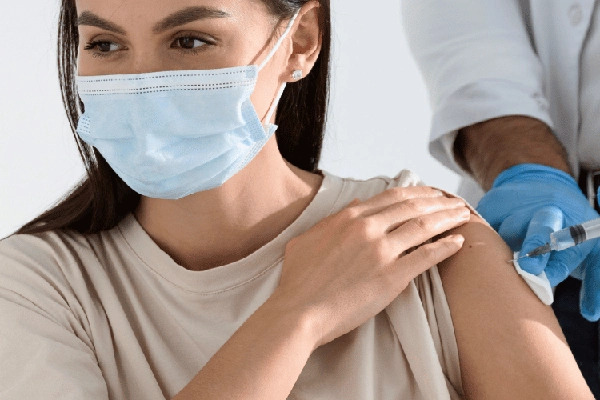
As people age, maintaining good health becomes increasingly important. Among the many preventive healthcare measures available today, vaccination remains one of the most effective ways to protect older adults from serious illnesses. One vaccine receiving renewed attention is the pneumococcal vaccine, thanks to updated recommendations designed to provide broader protection against dangerous bacterial infections.
Protecting Our Elders: Why the New Pneumococcal Vaccine Guidelines Matter for Sunset Park Seniors is more than just a healthcare topic—it is a community priority. Seniors are particularly vulnerable to infections that can lead to hospitalization, long-term complications, and even life-threatening conditions. The latest pneumococcal vaccine guidelines offer enhanced protection and help healthcare providers make more informed recommendations for older adults.
For seniors living in Sunset Park, staying informed about these changes can play a significant role in maintaining independence, improving quality of life, and reducing health risks.
Understanding Pneumococcal Disease
Pneumococcal disease is caused by bacteria known as Streptococcus pneumoniae. These bacteria can infect different parts of the body and lead to a variety of illnesses ranging from mild to severe.
What Causes Pneumococcal Infections?
Pneumococcal bacteria commonly spread through respiratory droplets when infected individuals cough, sneeze, or talk. Many people carry these bacteria without becoming ill, but the bacteria can become dangerous when they invade vulnerable parts of the body.
Older adults often have weakened immune responses, making it easier for infections to develop and spread.
Common Types of Pneumococcal Illnesses
Pneumococcal disease can cause several serious conditions, including:
- Pneumonia
- Bloodstream infections
- Meningitis
- Ear infections
- Sinus infections
Among seniors, pneumonia remains one of the most concerning complications because it can rapidly become severe and require hospitalization.
Why Seniors Face Higher Risks
Understanding why older adults are more vulnerable helps explain the importance of updated vaccination recommendations.
Age-Related Immune System Changes
As people age, the immune system naturally becomes less effective. This process, often called immune aging, reduces the body’s ability to fight infections.
As a result, seniors may:
- Get sick more easily
- Experience longer recovery times
- Face greater risks of complications
- Require hospitalization more frequently
These changes make preventive healthcare especially important.
Chronic Health Conditions and Vulnerability
Many older adults also live with chronic medical conditions such as:
| Condition | Increased Risk |
|---|---|
| Diabetes | Higher infection risk |
| Heart disease | Greater complications |
| COPD | Increased respiratory issues |
| Kidney disease | Reduced immune response |
| Asthma | Breathing complications |
When pneumococcal disease occurs alongside these conditions, the health consequences can become significantly more severe.
Overview of the New Pneumococcal Vaccine Guidelines
Healthcare recommendations continue evolving as scientific research advances. The newest pneumococcal vaccine guidelines aim to provide broader protection with simplified schedules.
What Has Changed in Recent Recommendations?
Recent updates focus on:
- Expanded protection against additional bacterial strains
- Simplified vaccination schedules
- Improved guidance for older adults
- Better protection for individuals with chronic illnesses
These changes help ensure seniors receive the most effective protection available.
The updated approach makes it easier for healthcare providers to determine which vaccine schedule best suits each patient based on age, health status, and vaccination history.
Vaccine Options Available Today
Several pneumococcal vaccines are available, each designed to protect against specific bacterial strains.
Current vaccine options may include:
- Newer conjugate vaccines
- Broader-spectrum protection vaccines
- Recommended booster schedules when appropriate
Healthcare providers evaluate individual medical histories before making personalized recommendations.
Benefits of Following Updated Vaccine Recommendations
The benefits of pneumococcal vaccination extend far beyond preventing a single illness.
Preventing Serious Illness
One of the primary goals of vaccination is reducing the likelihood of severe disease.
Vaccination can help lower the risk of:
- Pneumonia
- Blood infections
- Meningitis
- Severe respiratory complications
For many seniors, avoiding these illnesses means maintaining independence and avoiding lengthy recovery periods.
Reducing Hospital Admissions
Hospitalization can be physically and emotionally challenging for older adults.
Potential risks associated with hospital stays include:
- Reduced mobility
- Increased fall risk
- Exposure to additional infections
- Extended rehabilitation needs
Preventive vaccination helps lower the chances of hospitalization by reducing the occurrence of severe pneumococcal infections.
Improving Quality of Life
Healthy aging is about more than simply avoiding disease. It involves maintaining the ability to participate in everyday activities, spend time with loved ones, and remain engaged in the community.
By reducing illness risk, vaccination supports:
- Greater independence
- Better mobility
- Enhanced social engagement
- Improved overall well-being
Importance for Sunset Park Seniors
The updated vaccine recommendations have particular significance for older adults living in Sunset Park.
Community Health Considerations
Sunset Park is a vibrant and diverse community where many families live in multigenerational households.
In these settings:
- Seniors interact regularly with children and grandchildren
- Community gatherings are common
- Social engagement remains strong
While these connections provide valuable emotional support, they can also increase exposure to infectious illnesses.
Following updated vaccine recommendations helps reduce disease transmission and protect vulnerable community members.
Protecting Families and Caregivers
Vaccination doesn’t just benefit the individual receiving it.
When seniors are protected against serious infections:
- Families experience fewer healthcare emergencies
- Caregivers face reduced stress
- Household members enjoy greater peace of mind
This broader protective effect strengthens community health as a whole.
How Local MD Supports Preventive Care
Preventive healthcare remains a cornerstone of healthy aging. Healthcare providers play an essential role in helping seniors understand and follow updated vaccine recommendations.
Personalized Vaccine Assessments
Every patient has unique healthcare needs.
A personalized assessment may consider:
- Age
- Medical history
- Existing health conditions
- Previous vaccinations
- Current medications
This individualized approach ensures patients receive appropriate guidance based on their specific circumstances.
Comprehensive Senior Wellness Services
Preventive care involves more than vaccination alone.
Comprehensive senior healthcare often includes:
- Annual physical exams
- Chronic disease management
- Medication reviews
- Preventive screenings
- Health education
Combining these services creates a strong foundation for long-term wellness.
Addressing Common Concerns About Vaccination
Some seniors may hesitate to receive vaccines due to questions or concerns. Understanding the facts can help support informed healthcare decisions.
Safety and Effectiveness
Pneumococcal vaccines undergo extensive testing before approval.
These vaccines are evaluated for:
- Safety
- Effectiveness
- Long-term outcomes
- Performance in older adults
Ongoing monitoring continues even after vaccines become available to the public.
Side Effects and Expectations
Most vaccine side effects are mild and temporary.
Common reactions may include:
- Soreness at the injection site
- Mild fatigue
- Low-grade fever
- Temporary muscle aches
These effects generally resolve within a few days and are typically much less severe than the illnesses the vaccines help prevent.
Additional Steps to Prevent Pneumococcal Disease
Vaccination is highly effective, but it works best as part of a broader preventive healthcare strategy.
Seniors can further reduce infection risks by:
Practicing Good Hand Hygiene
Frequent handwashing helps limit the spread of bacteria and viruses.
Managing Chronic Conditions
Keeping chronic diseases under control supports a stronger immune system.
Maintaining a Healthy Lifestyle
Healthy habits include:
- Balanced nutrition
- Regular physical activity
- Adequate sleep
- Proper hydration
Staying Current With Preventive Care
Routine healthcare visits allow providers to monitor health status and recommend appropriate preventive measures.
Avoiding Tobacco Use
Smoking damages lung tissue and increases susceptibility to respiratory infections.
Seeking Medical Attention Promptly
Early treatment can prevent minor infections from developing into serious complications.
The Future of Pneumococcal Disease Prevention
Medical science continues advancing, leading to improved vaccines and more effective prevention strategies.
Researchers continue working to:
- Expand bacterial strain coverage
- Improve vaccine effectiveness
- Simplify vaccination schedules
- Enhance protection for high-risk populations
These developments offer encouraging prospects for healthier aging and reduced disease burden among seniors.
The updated recommendations represent an important step forward in this ongoing effort.
Frequently Asked Questions
What is pneumococcal disease?
Pneumococcal disease is a bacterial infection caused by Streptococcus pneumoniae. It can lead to pneumonia, meningitis, bloodstream infections, and other serious illnesses.
Why are seniors at greater risk?
Older adults experience natural changes in immune function that reduce their ability to fight infections effectively, increasing the risk of complications.
What do the new pneumococcal vaccine guidelines recommend?
The updated guidelines provide broader protection through newer vaccines and simplified recommendations based on age and health status.
Is the pneumococcal vaccine safe?
Yes. Pneumococcal vaccines undergo extensive safety testing and continuous monitoring to ensure their effectiveness and safety.
Can the vaccine prevent all cases of pneumonia?
No vaccine can prevent every case of pneumonia, but pneumococcal vaccination significantly reduces the risk of many serious pneumococcal infections.
How often should seniors receive pneumococcal vaccines?
The recommended schedule varies depending on age, vaccination history, and medical conditions. Healthcare providers can determine the appropriate schedule.
Can seniors receive pneumococcal and flu vaccines together?
In many cases, yes. Healthcare providers often recommend receiving both vaccines to maximize protection against respiratory illnesses.
Why is vaccination especially important in community settings?
Community interaction increases exposure to infectious diseases. Vaccination helps reduce infection risks and supports overall public health.
Conclusion
Protecting Our Elders: Why the New Pneumococcal Vaccine Guidelines Matter for Sunset Park Seniors highlights an important advancement in preventive healthcare. As seniors face increased risks from serious bacterial infections, updated vaccination recommendations provide stronger and more comprehensive protection.
By understanding pneumococcal disease, recognizing personal risk factors, and following current vaccine guidance, older adults can significantly reduce their chances of severe illness and hospitalization. Equally important, vaccination contributes to healthier families, stronger communities, and improved quality of life.
Preventive healthcare remains one of the most powerful tools available for healthy aging. Through personalized medical guidance, routine wellness visits, and adherence to updated vaccine recommendations, Sunset Park seniors can take meaningful steps toward protecting their health for years to come.