Heart health is the cornerstone of a long, active life, but for those of us living in the bustling neighborhoods of New York City, maintaining it can feel like a unique challenge. Between the fast-paced work culture, the tempting convenience of street food, and the constant sensory input of the city, our cardiovascular systems are often put to the test. At LocalMD, we see patients every day in our Sunset Park, Brooklyn, and Maspeth, Queens locations who are looking for ways to balance their urban lifestyle with long-term wellness. Keeping your heart healthy doesn't require moving to the countryside; it requires making intentional choices within the concrete jungle. This guide explores how you can navigate NYC living while prioritizing your heart.
Making the Most of Urban Movement
One of the greatest advantages of living in NYC is that it is one of the most walkable cities in the world. Physical activity is a primary pillar of heart health, helping to manage weight, lower blood pressure, and improve cholesterol levels. While it might be tempting to hop in a rideshare, choosing to walk or take public transit can significantly increase your daily step count.
Turn your commute into a workout. If you commute via the R train in Brooklyn or the M train near Maspeth, consider getting off one stop early to add an extra ten minutes of walking to your day. These small increments of activity add up to the 150 minutes of moderate exercise recommended by health experts weekly. Additionally, NYC’s architecture often provides a hidden gym: stairs. Choosing the stairs in the subway station or your apartment building is an excellent way to get your heart rate up and strengthen your cardiovascular system.
However, it is important to remember that physical activity should be tailored to your current fitness level. Before starting a new, vigorous exercise routine, it is essential to consult with a primary care provider. At LocalMD, we help our patients determine what level of activity is safe and effective for their specific heart health profile.
Navigating the NYC Food Landscape
Eating for heart health in a city known for its pizza, bagels, and late-night bodegas can be difficult. The high sodium and saturated fat content found in many convenient urban food options are major contributors to hypertension and heart disease. However, NYC also offers incredible access to fresh, diverse nutrition if you know where to look.
Utilize local farmers' markets. Both Brooklyn and Queens are home to vibrant greenmarkets. Shopping for seasonal produce in Sunset Park or finding fresh ingredients in Maspeth allows you to control the salt and fat content of your meals. Focus on a diet rich in leafy greens, whole grains, and lean proteins. When eating out, don't be afraid to ask for dressings on the side or for your meal to be prepared with less salt.
Another urban nutrition trap is the 'grab-and-go' culture. Many New Yorkers rely on processed snacks to get through the day. Planning ahead by carrying unsalted nuts or fresh fruit can prevent the blood sugar spikes and crashes that contribute to metabolic stress. Remember, nutrition is not about perfection; it is about making better choices more often. Discussing your dietary habits with a physician can provide you with a roadmap for heart-healthy eating that fits your NYC lifestyle.
Managing the 'City That Never Sleeps' Stress
Chronic stress is a significant, often overlooked risk factor for heart disease. The constant noise, crowds, and high cost of living in NYC can keep our bodies in a state of 'fight or night,' leading to elevated cortisol levels and increased strain on the heart. Finding ways to decompress is not a luxury; it is a medical necessity.
Find your urban sanctuary. Whether it’s a quiet corner of Sunset Park with a view of the harbor or a local community garden in Maspeth, finding a space to disconnect is vital. Mindfulness practices, even just five minutes of deep breathing during a hectic day, can help lower your heart rate and reduce blood pressure. Sleep is also a critical component of heart health. The city’s ambient noise and light pollution can disrupt sleep cycles, so investing in blackout curtains or a white noise machine can make a substantial difference in your heart’s ability to recover overnight.
If you find that city-induced stress is becoming overwhelming, it is important to speak with a healthcare professional. Mental health and physical heart health are deeply interconnected, and a primary care doctor can offer resources or referrals to help you manage your stress levels effectively.
Protecting Your Lungs to Protect Your Heart
Air quality is a specific concern for urban dwellers. High levels of traffic pollution and construction dust can lead to systemic inflammation, which directly impacts cardiovascular health. While we cannot change the city's air overnight, we can take steps to minimize our exposure.
Monitor air quality alerts. On days when the air quality index (AQI) is high, try to limit strenuous outdoor activity, especially if you have pre-existing heart or lung conditions. Using HEPA air purifiers inside your home can also reduce the particulate matter your body has to process. Furthermore, if you are a smoker, the combined impact of urban pollution and tobacco use is devastating for the heart. Quitting smoking is the single most impactful change you can make for your heart health. At LocalMD, we offer support and resources for those looking to kick the habit for good.
The Role of Regular Screenings at LocalMD
Many heart-related issues, such as high blood pressure and high cholesterol, are 'silent'—meaning they often have no outward symptoms until they reach a critical stage. This is why regular preventive care is the most effective tool in your heart health arsenal. Living in a city like New York means you have world-class care right in your neighborhood.
During a standard checkup at LocalMD, we perform essential screenings that provide a snapshot of your cardiovascular health. These include:
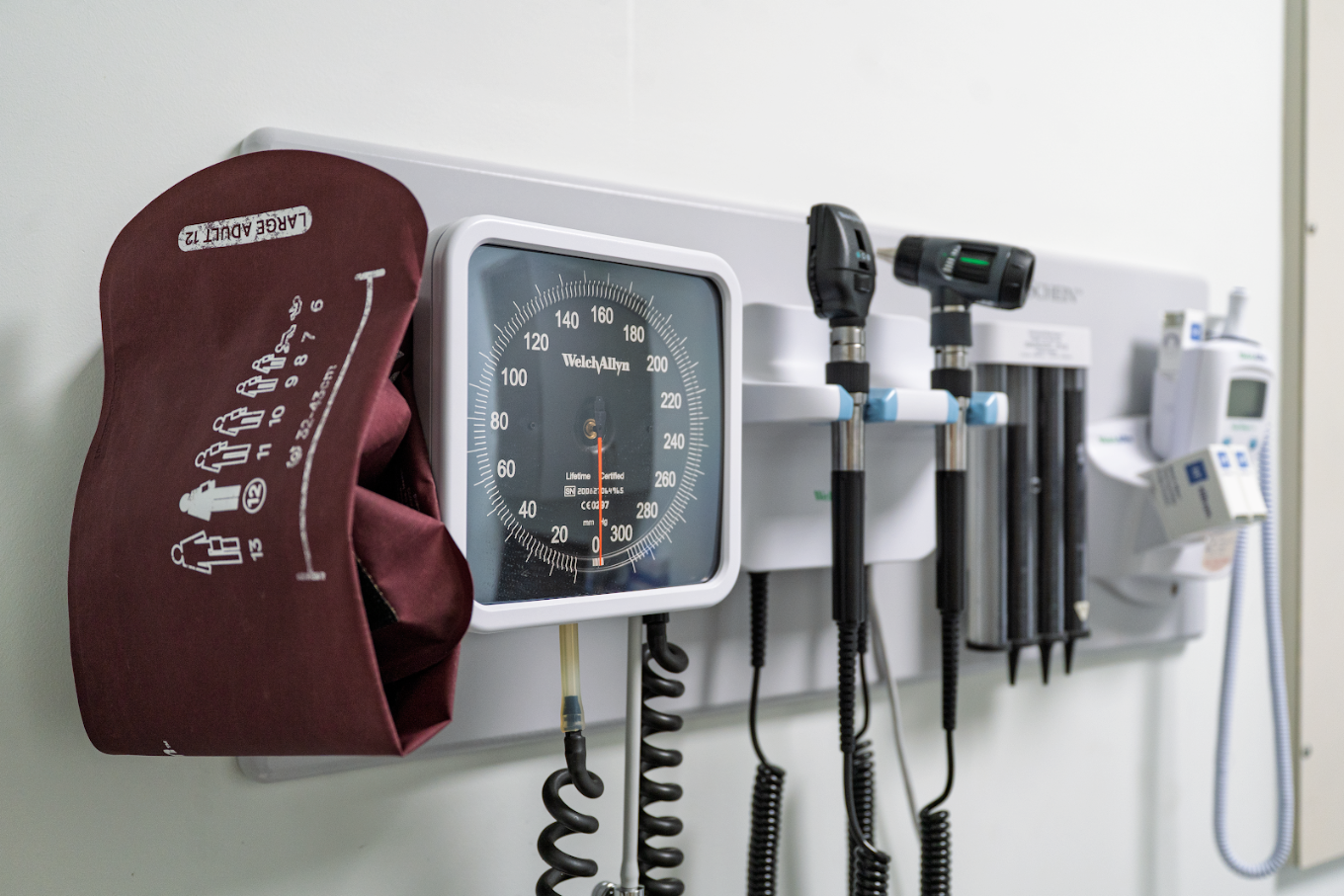
- Blood Pressure Monitoring: Identifying hypertension early allows for lifestyle changes or treatments that can prevent heart attacks and strokes.
- Cholesterol Panels: Understanding your lipid levels helps us assess your risk for arterial plaque buildup.
- Blood Sugar Testing: Managing or preventing diabetes is crucial, as high blood sugar can damage the blood vessels and the heart over time.
- Lifestyle Assessment: We discuss your diet, activity level, and stress to create a personalized wellness plan.
Conclusion: Your Partners in Heart Health
Living in NYC is an adventure, and your heart is the engine that keeps you moving through it. By making small, sustainable changes to how you move, eat, and manage stress, you can thrive in the urban environment while protecting your long-term health. However, you don't have to navigate this journey alone.
At LocalMD, our mission is to provide accessible, high-quality primary care to our neighbors in Brooklyn and Queens. Whether you are a long-time resident of Sunset Park or calling Maspeth home, our team is here to support your heart health through every stage of life. We encourage all New Yorkers to take a proactive approach to their wellness.
Ready to prioritize your heart health? Don't wait for symptoms to appear. Schedule your preventive screening today at one of our convenient locations. Visit our website or call us to book an appointment at our Sunset Park or Maspeth offices. Your heart works hard for you—make sure you're doing the same for it.
Disclaimer: This content is for informational purposes only and does not constitute medical advice. Always seek the advice of your physician or other qualified health provider with any questions you may have regarding a medical condition.