Understanding Ultrasound: Safe and Effective Imaging at LocalMD
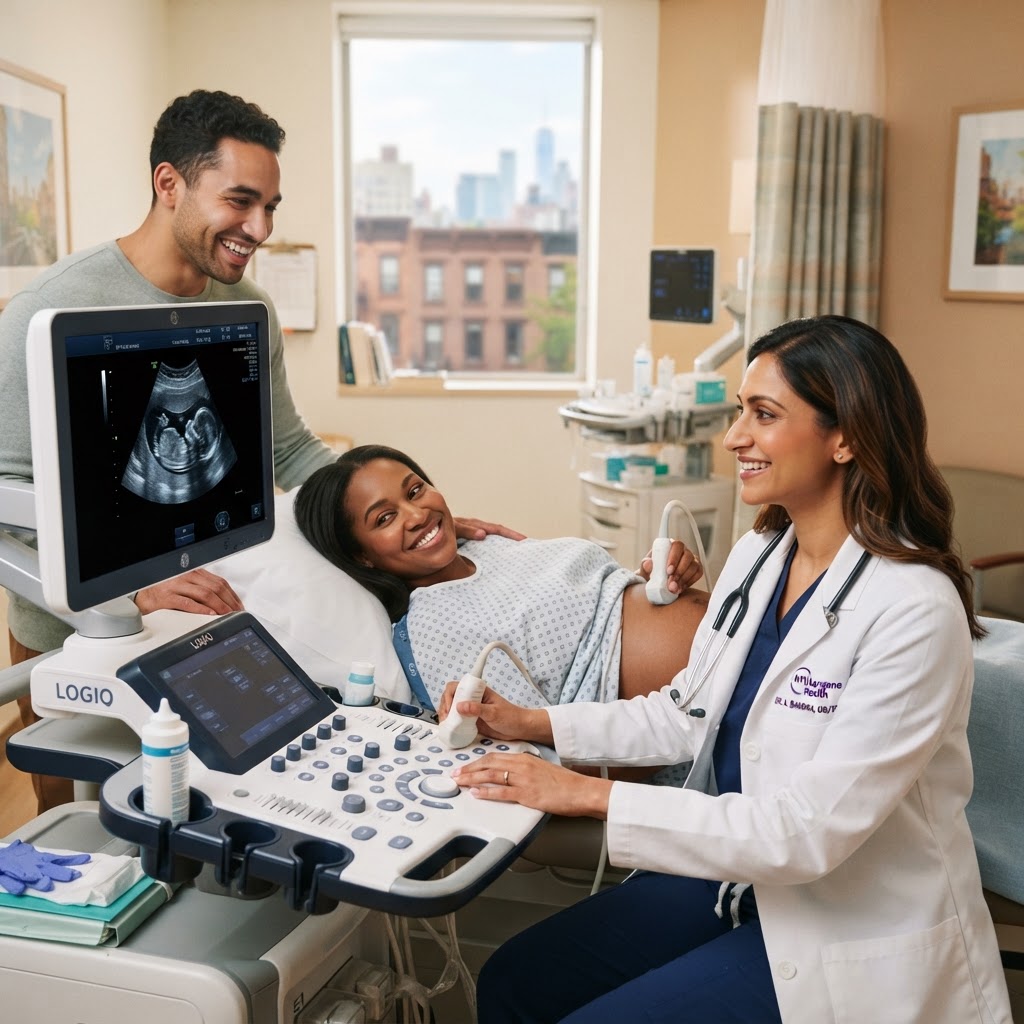
When most people hear the word "ultrasound," the first image that comes to mind is often an expectant parent catching the first glimpse of their developing baby. While prenatal care is one of the most well-known uses of this technology, ultrasound—also known as sonography—is a versatile diagnostic tool used across many areas of medicine.
At LocalMD, we are committed to providing our neighbors in Sunset Park, Brooklyn, and Maspeth, Queens, with accessible, high-quality primary care. This includes helping our patients understand the diagnostic tests their providers might recommend. In this guide, we will explore how ultrasounds work, why they are used, and what you can expect when you visit one of our clinics.
How Ultrasound Technology Works
Unlike X-rays or CT scans, which use ionizing radiation to create images, ultrasounds use high-frequency sound waves. Because there is no radiation involved, ultrasound is considered exceptionally safe for patients of all ages, including infants and pregnant individuals.
During the procedure, a small handheld device called a transducer is placed against the skin. This device sends out silent sound waves that travel into the body. When these waves hit different tissues, organs, or blood flow, they bounce back (or "echo") to the transducer. A computer then translates these echoes into real-time images or videos displayed on a monitor.
This "real-time" aspect is one of the greatest strengths of ultrasound. It allows your healthcare provider to see the movement of internal organs, the flow of blood through vessels, and even the movement of heart valves as it happens. For the diverse communities we serve in Brooklyn and Queens, having access to such a dynamic diagnostic tool is a cornerstone of proactive health management.
More Than Just Baby Pictures: The Diverse Uses of Ultrasound
While sonography is the gold standard for monitoring fetal development, its applications in a primary care setting are vast. Your provider at LocalMD may recommend an ultrasound to investigate symptoms like pain, swelling, or infection. Here are some of the most common types of ultrasounds:
- Abdominal Ultrasound: Used to examine the liver, gallbladder, spleen, pancreas, and kidneys. It is often the first step in diagnosing gallstones or evaluating unexplained stomach pain.
- Pelvic Ultrasound: Beyond pregnancy, this is used to monitor the health of the uterus and ovaries, or to investigate the cause of pelvic pain or irregular menstruation.
- Thyroid Ultrasound: This helps your doctor check the thyroid gland for nodules, cysts, or enlargement (goiter).
- Vascular Ultrasound: This procedure allows clinicians to monitor blood flow in the veins and arteries. It is frequently used to check for blood clots (Deep Vein Thrombosis) or to evaluate the carotid arteries in the neck for stroke prevention.
- Musculoskeletal (MSK) Ultrasound: This is used to look at muscles, tendons, ligaments, and joints to diagnose sprains, strains, or inflammatory conditions like bursitis.
By utilizing these various applications, our team at LocalMD can get a clearer picture of what is happening inside your body without the need for invasive procedures.
What to Expect During Your Ultrasound Appointment
Preparing for a medical test can sometimes feel overwhelming, but an ultrasound is generally a quick and painless experience. Depending on the type of ultrasound you are receiving, the preparation may vary:
- Preparation: For an abdominal ultrasound, you may be asked to fast (avoid eating or drinking) for several hours beforehand to ensure a clear view of the organs. For a pelvic ultrasound, you might be asked to drink several glasses of water to ensure your bladder is full, which helps move the intestines out of the way for a better view.
- The Procedure: You will likely be asked to lie down on a comfortable examination table. A technician or provider will apply a clear, water-based gel to the area being studied. This gel might feel a little cool, but its purpose is vital: it eliminates air pockets between the skin and the transducer, allowing the sound waves to travel clearly.
- The Experience: The provider will move the transducer over the skin, applying gentle pressure to capture the best images. You might feel some pressure, but the process should not be painful. Most ultrasounds take between 20 and 45 minutes.
- Afterward: Once the scan is complete, the gel is simply wiped off. It is non-staining and odorless. You can typically return to your normal daily activities immediately after the appointment.
At our Maspeth and Sunset Park locations, we prioritize patient comfort. Our staff is always available to answer questions and ensure you feel at ease throughout the process.
Why Ultrasound is a Vital Primary Care Tool
In the heart of New York City, where life moves fast, having efficient and reliable diagnostic tools is essential. Ultrasound offers several unique benefits that make it a favorite for both patients and providers:
- Safety: The lack of radiation makes it a preferred choice for repeated monitoring and for sensitive populations.
- Non-Invasive: There are no needles or incisions required for a standard external ultrasound.
- Cost-Effective: Compared to MRI or CT scans, ultrasounds are generally more affordable for patients and insurance providers alike.
- Immediate Insight: Because the images are generated in real-time, providers can often gather significant information during the session to help inform the next steps of your care plan.
At LocalMD, we believe that preventive health and early diagnosis are the keys to long-term wellness. Whether we are checking your heart health or investigating a minor ache, ultrasound technology gives us the internal view we need to treat the whole person.
Conclusion: Your Health is Our Priority
Medical imaging is a powerful way to take charge of your health. While this guide provides an overview of ultrasound technology, it is important to remember that every patient is unique. If you are experiencing symptoms or have concerns about your health, the best first step is a conversation with a qualified medical professional.
At LocalMD, we are proud to serve the vibrant neighborhoods of Sunset Park, Brooklyn, and Maspeth, Queens. Our dedicated primary care teams are here to provide the personalized attention you deserve, using modern tools to keep you and your family healthy.
Are you due for a check-up or need to discuss a health concern with a provider?
Contact us today to schedule an appointment. We offer convenient hours and a warm, welcoming environment for all New Yorkers.
- Visit us in Brooklyn: 4th Avenue, Sunset Park
- Visit us in Queens: Grand Avenue, Maspeth