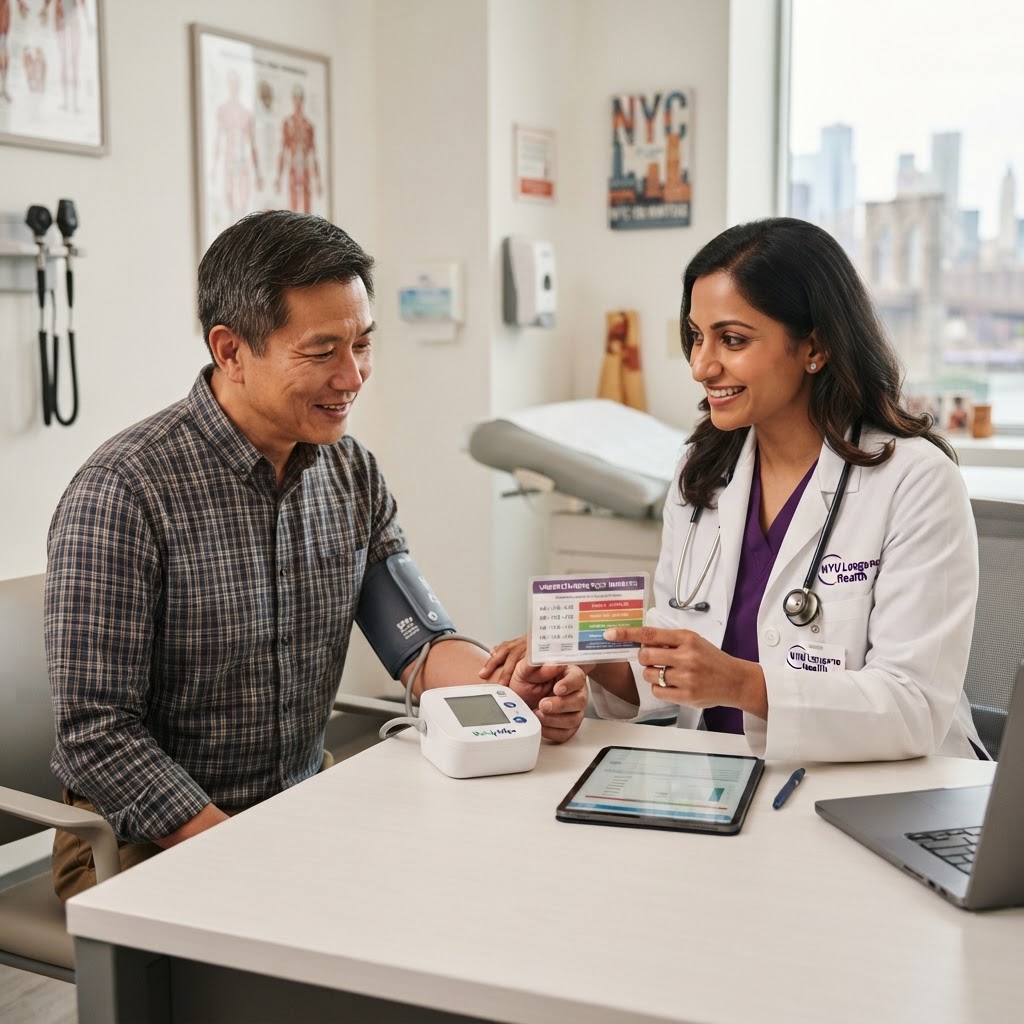
Every time you visit a doctor's office, you know the drill: an inflatable cuff wraps around your arm, tightens, and gradually deflates while a monitor calculates two digits. Perhaps the clinician tells you a phrase like "118 over 76" or notes that your numbers are slightly high. But what do those figures actually signify for your long-term cardiovascular health?
For busy New Yorkers balancing work, family, and commutes across the five boroughs, staying on top of vital signs often takes a backseat. Yet understanding your blood pressure numbers is one of the most effective, accessible tools for preventing heart disease, stroke, and kidney complications. Here is a clear breakdown of how blood pressure works, what each reading signifies, and why regular checkups with a primary care provider are essential.
Systolic vs. Diastolic: Decoding the Two Numbers
Blood pressure measures the force that circulating blood exerts against the walls of your blood vessels. When your provider reads your results, they report two numbers measured in millimeters of mercury (mm Hg):
- The Top Number (Systolic Pressure): This measures arterial pressure when your heart contracts and pumps oxygen-rich blood out to the rest of your body.
- The Bottom Number (Diastolic Pressure): This measures the resting pressure in your arteries between heartbeats while your heart refills with blood.
For example, in a reading of 120/80 mm Hg, 120 represents systolic force during contraction, while 80 indicates diastolic baseline pressure at rest. While both metrics provide vital health data, healthcare providers evaluate both figures to assess your overall cardiovascular profile.
The Official Blood Pressure Categories
According to clinical guidelines established by the American Heart Association and the American College of Cardiology, adult blood pressure falls into several distinct ranges:
- Normal: Systolic below 120 mm Hg and diastolic below 80 mm Hg. Maintaining balanced nutrition and daily movement helps sustain these levels.
- Elevated: Systolic between 120–129 mm Hg and diastolic below 80 mm Hg. This category serves as an early indicator that arterial pressure is climbing, providing an opportunity for proactive lifestyle intervention.
- Hypertension Stage 1: Systolic between 130–139 mm Hg or diastolic between 80–89 mm Hg. At this stage, clinicians evaluate overall risk and may discuss nutrition, activity, stress management, or medication.
- Hypertension Stage 2: Systolic 140 mm Hg or higher or diastolic 90 mm Hg or higher. Healthcare providers typically evaluate personalized medical therapies alongside structured lifestyle adjustments.
- Hypertensive Crisis: A reading higher than 180 mm Hg systolic and/or higher than 120 mm Hg diastolic. If these numbers occur alongside acute symptoms like chest discomfort, severe shortness of breath, blurry vision, or sudden back pain, seek immediate emergency medical evaluation.
Why Hypertension Is Called the "Silent Killer"
A common misconception among patients is that elevated blood pressure produces obvious symptoms such as headaches, nervous tension, or facial flushing. In reality, high blood pressure rarely presents noticeable warning signs in its early or intermediate stages.
Over months and years, sustained high pressure gradually damages delicate blood vessel linings, stiffens arteries, and strains the heart muscle. Without regular vital sign screenings, many individuals only discover hypertension after it contributes to significant events such as heart attacks, transient ischemic attacks (TIAs), strokes, or chronic kidney disease. Routine preventative assessments allow primary care teams to detect these shifts long before irreversible vascular damage occurs.
Daily Habits That Support Healthy Circulation
While genetics, age, and existing medical conditions influence arterial health, everyday habits play a substantial role in maintaining steady blood pressure:
- Mindful Sodium Intake: Processed foods, takeout meals, and packaged snacks frequently carry hidden sodium. Emphasizing fresh produce, whole grains, and lean proteins helps reduce fluid retention.
- Regular Physical Activity: Aim for around 150 minutes of moderate aerobic exercise weekly—whether brisk walking across neighborhood parks, cycling, or climbing subway stairs.
- Restorative Sleep and Stress Reduction: Chronic poor sleep and prolonged psychological stress elevate stress hormones like cortisol, which temporarily constrict blood vessels.
- Moderation and Smoking Cessation: Limiting alcohol consumption and avoiding tobacco products significantly preserves arterial flexibility and vascular elasticity.
Because baseline health profiles vary widely from person to person, always consult your physician before initiating major dietary adjustments or vigorous fitness regimens.
Partner with LocalMD for Your Preventive Care
Understanding your numbers is a collaborative process between you and your healthcare team. Rather than relying on sporadic pharmacy kiosks or waiting for symptoms to appear, establishing routine primary care provides an accurate record of your baseline health over time.
At LocalMD, our team is dedicated to providing comprehensive, compassionate preventive care to NYC families. Whether you visit our clinic in Sunset Park, Brooklyn or stop by our welcoming location in Maspeth, Queens, our clinicians are here to help you review your blood pressure numbers, screen for underlying risks, and build a proactive care plan tailored to your lifestyle.
Take control of your cardiovascular wellness today. Schedule your next annual physical or blood pressure consultation with LocalMD in Sunset Park or Maspeth.